

pros and cons of being a game designer
The pros and cons of being a gamer, as narrated by one

Today, more than ever, we must admit that gaming has become a cornerstone in the lives of many people all over the world.
To properly understand gaming as a social and technological sensation, we nee d different ingredients. Like cooking a good, tasty soup. First, we need quantitative, empirical findings: you fill the pot with water and leave it to boil while you prepare the potatoes and chicken breast. Then, qualitative testimonies from the gamers themselves — such as the one you are about to read — are used to spice up the soup and give it that extra something: the flavor.
Both types of information are an equally important puzzle piece for assembling the whole picture of this phenomenon.
Lately, I have begun reflecting upon its underpinnings. I now know I have some advice to offer, some lessons to present. Something to say, at any rate.
New to gaming? You are likely going to find this article rather informative. If you are a seasoned gamer, it could give you new leads to help you see gaming from a different angle.
Below follows a lengthy personal take on the pros and cons of gaming, based on my vision, progress and understanding so far, with a tinge of research to back it up.
(You will level up your Game Knowledge perk if you read to the end. Promise!)
Prologue: Same quests, same characters
I have been an active gamesperson since my memory can serve. I was only three when I laid hands on my first computer, back in 2000. I learned to use the mouse and keyboard before I could even hold a pen in my hand properly.
Recently, however, I have become more aware of what this has started meaning and how it has molded the course of my life throughout the years.
Disregarding my family and friends' fruitless attempts to temper me, I dove head first into the virtual world rabbit hole made possible by video games. I have fumbled social connections, romantic relationships, events, career opportunities, personal development, and had my fair share of stigma, just so I could sink myself into playing video games. Call it reckless if you will, but I'll call it playing on hardcore difficulty.
So, here I was, 17 years later: curled up in my chair, in front of my screen; as per usual… Except, this time, I was absent-minded. Slowly but surely, I was no longer enjoying the countless hours of grinding and alternate playthroughs as much as I had used to. I would wander aimlessly around the Plains of Eidolon, fishing spear in hand, or sail my tiny boat away from Skellige, exploring every nook and cranny of the continent. I was a stranger in familiar lands.
It felt as if I was desperately trying to salvage — or, worse yet, drain — whatever little joy of playing was left in me. My passion for games was fading, and I could no longer play pretend. Where to now?
After a brisk epiphany of sorts, I set out for answers.
Level 1: Starting zone (Introduction)
I am a 21-year-old Romanian student of behavioral economics at the time of writing. By now, it should be pretty safe for me to say that I have spent most of my time in front of a computer: 17 years and counting. Below is a rough summary of my virtual life on Steam to date:
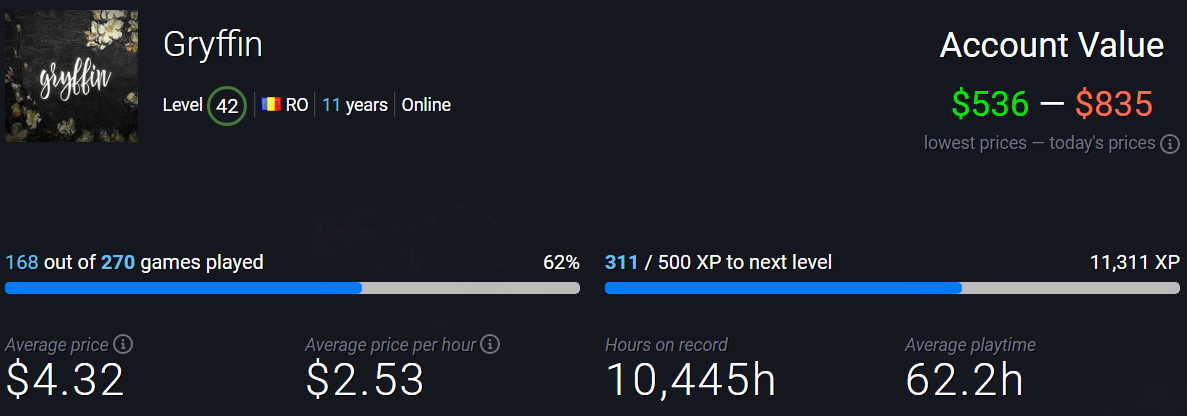
Based only on what has been recorded above, I have invested over ten thousand hours in gaming. At least one entire year of my existence, out of 21, has been cropped out by default. Wasted away, as some might say… Unless?
Through writing this article, I harness my experience as a gamer to fuel one of many answers to an increasingly popular and equally challenging question: "Is gaming a waste of time or not?"
To that, I can only answer upfront. It depends. What are you trying to get out of it?
Like many other activities, for gaming, too, we are presented with both pros and cons. The key to the best of both worlds is striking a degree of equilibrium between the two. (Think balancing work life and family life, as analogy.) As tempting as it may sound, spending 16 hours a day playing video games with minimal, physiologically-induced breaks is certainly anything but healthy and can be dire for one's social life.
As it stands, video games have managed to fill a void in their players' lives in a way unlike that of any other forms of leisure. As opposed to "lean-back" leisure activities, such as watching television, reading books or listening to music or podcasts, gaming is conceptually different, in that it requires its enthusiasts to be kinesthetically involved in the process. Gaming is, therefore, not a passive kind of entertainment, but rather an active one, despite all popular criticism. People experience an artificial form of reality, a virtual leisure fiesta, by directly partaking. This concept makes gaming very appealing to an evergrowing audience, regardless of age, status, gender or religion.
Level 2: Meet the protagonist (The pros of gaming)
It is equally difficult and ignorant to turn a blind eye to the benefits gaming could offer, if carried out in moderation.
1 — Workout for cognitive function and muscle memory
Several scientific studies have shown that there appears to be a distinct correlation between playing video games and improved cognitive function.

Gaming under healthy and moderate circumstances can amount to improvements with regards to:
- eye-hand coordination: the hands and eyes serve as primary means of interaction between the player and the game. Regular gaming bolsters the synergy between the ocular and palmar nerves. Very much like any routinized workout, strengthening the said tissues' synergy can and will eventually take place;
- spatial orientation: the first time a player enters any major area in a video game, they are likely to be lost and confused. Fast-forward a few hundred visits and they will have turned spatial orientation into routine; knowing the routes and points of interest by heart becomes second nature after a certain period;
- memory formation (especially visual and short-term memory), often trained through games by the likes of Magicka or Invoker Wars, requiring the player to effectively memorize a series of key combinations and synergies between available skills or actions;
- strategic planning, the art of knowing when and how to act: primarily real-time strategy's proving grounds, of which StarCraft, Age of Empires and Stronghold Crusader are examples worthy of mention. This can extend to conceptually different titles such as Plague Inc: Evolved or Bio Inc Redemption, which also happen to be some very educational medical simulators I highly recommend;
- tactical approach and communication: in objective-based and team-dependent games, both success and failure are ultimately determined by communication — or lack of, therein. Certain scenarios require specific tactics to be approached with, and games like Payday or Tom Clancy's Rainbow Six Siege are decent representations of said concepts; they encourage communication and can be very rewarding;
- fine motor skills: developing pixel-perfect aiming, especially encountered in first-person shooters such as Counter-Strike, Battlefield or Quake, where aiming and understanding recoil patterns and ballistics play a vital role;
- stress relief: few things can amount to blowing off some steam in video games after a rough day, though there has been plenty of heated debate on this topic, especially considering how the media played its part by blowing it out of proportion. I only partially agree; you could be the most peaceful person on Earth and still feel like cracking some skulls in video games every now and then. See Killing Floor 2, Serious Sam 3 or Dead Rising;
- dyslexia: as demonstrated by a study conducted by BCBL, "action games awaken in players a greater capacity for visual and reading attention in response to difficult situations that arise, and that these stimuli can serve to fight dyslexia;"
- self-control and perseverance: the way some games are designed makes them veritable tests of patience and self-control (Dark Souls, Surgeon Simulator, Geometry Dash);
- critical decision making and power to adapt: the player may find themselves on their own against multiple opponents and must clutch the round to avoid losing the match altogether; the clock is ticking and wrong decisions will result in defeat. Recurring exposure to such scenarios will eventually improve one's ability to adapt and devise better plans, ultimately outplaying the opponents;
- fast reaction time and sharp reflexes, very prominently displayed in fast-paced first-person shooters such as Quake, Unreal Tournament, Team Fortress or just about any competitive online game, where a split-second's worth of delay can prove detrimental;
- problem-solving skills, trained especially by detective or puzzle-like games that encourage the player to use their intuition and receptivity to make sense of said riddles. See Tomb Raider or Pickers;
- the ability to tell deceit from truth: Town of Salem is what I consider to be the prime example in this field. It is more of a social experiment that revolves around the players' abilities to lie, spot lies and be lied to;
- distributed attention and multi-tasking: think MultiTaskMaster; quite the workout for one's distributed attention span.
The list may continue, but this should suffice. Admittedly, the amount of time it would take to develop certain skills beyond a mediocre level is usually tiresome and difficult to achieve by a casual player with but a few hours of playtime per week. In this sense, gaming demands long-term commitment, much to the detriment of more pragmatic matters of the real world.
2 — The bonds
The majority of video games that are popular and in demand nowadays revolve around multiplayer. It may be then presumed that the social interaction that naturally accompanies it can be beneficial for players (most of the time).
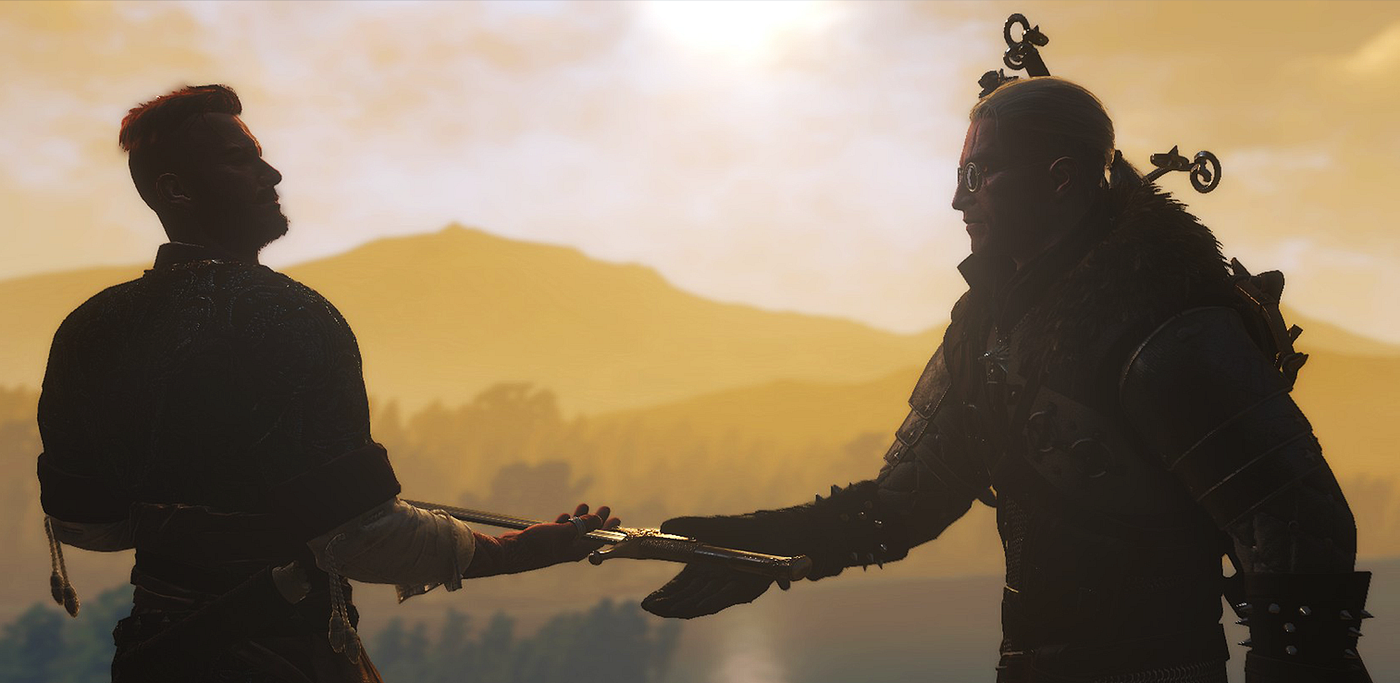
Finding company is the first step towards discovering mutual interests, and gaming can speed that up. It is a straightforward way of skipping past the formalities and awkward hiccups a face-to-face social interaction would normally imply. Even though not necessarily as substantial, it could give you that much-needed shot of confidence boost in the heat of the moment. Oftentimes trying to get past the small talk is a breaking point which will determine whether the conversation with a stranger will go aflop or not. In an era of dissidence over politics, religion and conflicting value systems, gaming's interpersonal nature helps strengthen human bonds, very much like any other activity two individuals share a mutual interest in. The art of playing, after all, has been prevalent throughout history. And, I daresay, there's a bit of child-like magic going on.
I have witnessed and experienced tight-knit friendships built on gaming's pedestal. This kind of friendship is a quid pro quo type of relationship that rewards reciprocity and confers a sense of belonging, if at times only briefly.
3 — Playing the right kind of games
Approaching the battleground of good games and bad games is far too sensitive a subject (for me, at least) and I am not willing to toss my coin into either side's cup. I play games from both factions and can safely say they are almost equally important. Some are for blowing steam, others are for cultivating your curiosity and learning. There is, however, a different lead worth following.
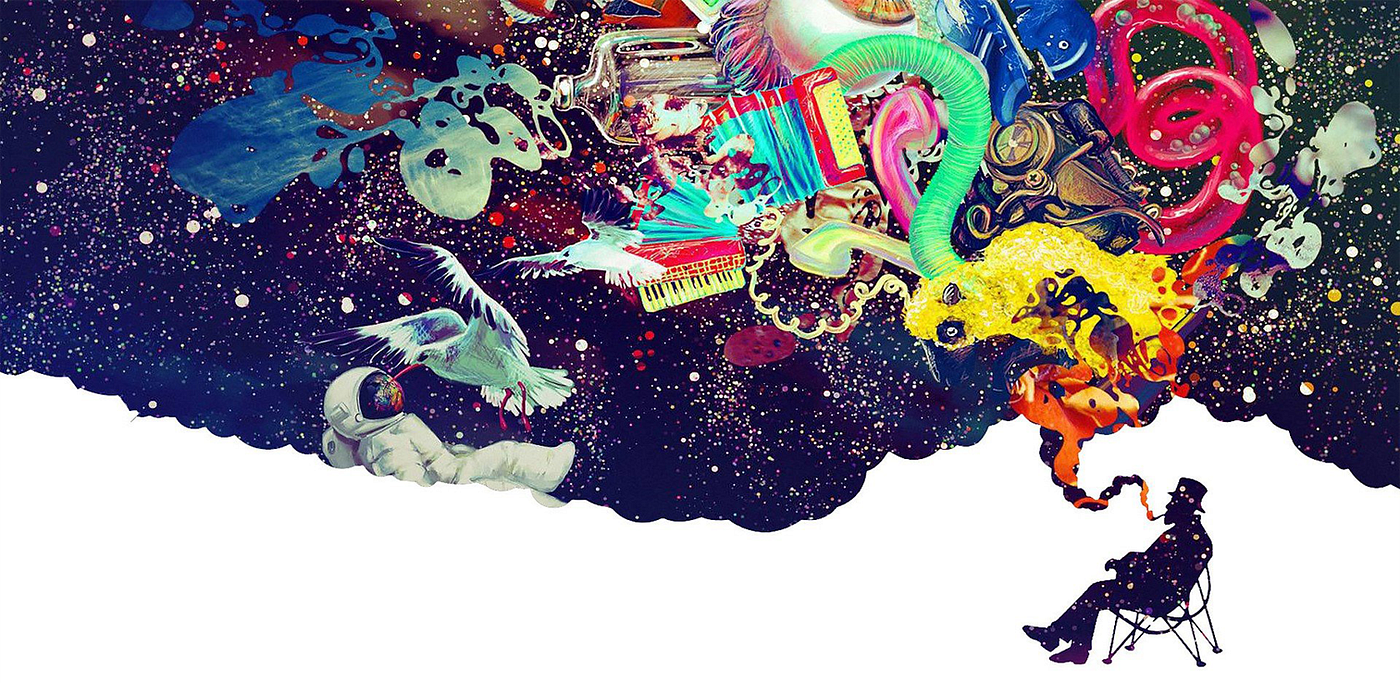
Certain genres have a very clear-cut simulation aspect to them. In fact, they can be highly educational and yield a positive influence on a player's understanding of important notions from areas of knowledge such as tech, medicine, diplomacy, economy, legislation and so forth.
Titles like Hearts of Iron, Europa Universalis or Sid Meier's Civilization wave their flags high above this particular field. They put the player in charge of a territory, with resources and troops at their disposal. The aim is to convey that the person behind the screen ought to be responsible, rational and calculated when making decisions — the essence of grand strategy and real-time strategy.
Two other examples that come to mind are Mount and Blade and Chivalry: Medieval Warfare. Adding to that simulation side, they could help the player visualize incoming attacks better and exert their reaction times to dodge, parry and time their own strikes accordingly. Should you ever find yourself swinging swords in real life, at least you'll know what not to do.
A seasoned player could argue that there seldom is a black-and-white division between good games and bad games, since labeling them is mostly based on personal preference and subjective criteria. At the end of the day, games are about tastes. Very different tastes indeed.
Games like Cities: Skylines or The Sims could never compete with the complexity of lore and character development behind story-driven RPGs, but they provide an experience that is far more relaxing and educational to the casual player in comparison.
Whatever the case may be, and regardless of their genre, video games ought to inspire. Symbolically, they represent everything books, television and music have failed to enact: interactivity and freedom of choice to shape the universe with. Playing music is not synonymous with playing video games, no matter how similar these two terms may appear at first glance.
This goes to show that not all games fall under the same category of "time-wasters," as commonly seen by some people who do not engage in playing video games at all. If done properly, gaming can be constructive.
4 — Stories to be told and lessons to be learned
Story-driven games hold great potential, based on how they can convey powerful messages. Meaningful plots with morals for the player to tunnel their way through. Love and hatred, vengeance and forgiveness, fear and bravery; unexpected plot twists that so masterfully change the course of the narrative, leaving the player in awe.
Poignant stories.
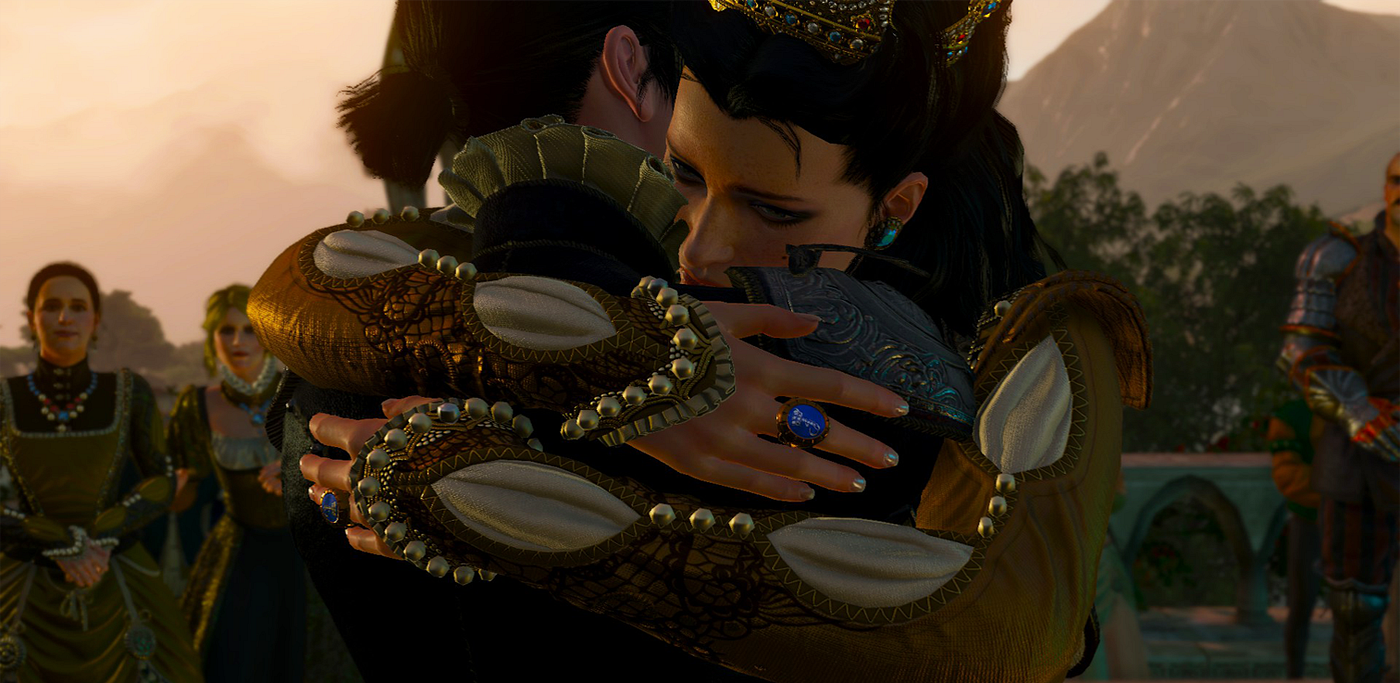
Think of the lores behind games with now-popular universes such as World of Warcraft, The Elder Scrolls or The Witcher. They could rival in both complexity and coverage with those from the movie industry (Harry Potter, The Lord of The Rings or even Star Wars for instance), which has been around for far longer than the gaming industry.
And at times they can be really rather moving. They can teach players lessons far better than any old man's story. Because they're inside the game universe; physically, mentally and emotionally invested.
Notable moments like Witcher 3's Bloody Baron quest can send you down a spiral of reflection. They make you question your own belief system for a moment. Is killing always evil? Is forgiving not always good? Such contrast appears from morally gray decisions the player has to make.
And they matter, because they mirror an extension of the player's moral compass. To be noted, this does not apply to players who rerun the game with different choices leading to different endings, solely for the purpose of exploring alternate gameplay. Rather, the first playthrough, which is arguably the most memorable, can reveal some pretty interesting traits about the choices a player makes in the face of the unknown plot.
I still vividly remember parting ways with Morrigan from Dragon Age when I was around 13. She was, admittedly, my first crush in a video game. I had formed a bond with a virtual character such and so that I could not help but shed a few tears once the game ended. She had gone. Virtually, truth be told... But she was no more.
None of these experiences would be possible in the absence of a gripping story set in motion by believable characters, which serve to build the experience of immersion. Its level remains largely influenced by graphics, interface, character design, music, sound effects, voice acting and dialogue, while deterring the display of logical flaws or technical caveats (commonly referred to as immersion-breaking bugs).
It is perhaps relevant to further entail that the game's storyline plays but a minor part. Granted, its quality of build is certainly important, but I reckon there are other, more influential factors that may dictate the degree to which you get involved. And they have nothing to do with the game. Everything is on you. Your state of mind. Your need to escape reality. The aching desire to explore and live through a story that is not your own, so that you may experience a different level of understanding. The human mind's natural craving for fiction and simulation. But, most importantly…
Your age.
Somewhere deep down, most gamers could agree with me proposing that age has a considerable say in game enjoyment. Compare the 12-year-old you playing through that era's golden gaming standards to the current you, struggling to find a meaningful game to stir you inside. Ironically, the titles that manage to exhibit original, compelling plots and genuine characters that get a grip on you are only beginning to expand as more and more independent game developers, each with their own twist, enter the arena. So then, since there are so very many interesting games to choose from, what is stopping you from being moved internally?
You get older. Your perspective, too, changes along. Your senses, especially visual acuity and reaction times, cannot be as sharp and receptive as they used to be in your prime years. And it is regrettable that it only gets worse. Gamers are no exception to gradually losing that spark as they progress through the years. That unbridled curiosity of the once-young thrill-seeker who discovered what it was like to stumble upon a secret area and find an easter egg for the first time. That fascination with getting stuck outside the map's boundaries and resorting to noclip to solve the issue. That itching sense of helplessness, going above and beyond to learn how to use CheatEngine and surf through cheatlists just so you could waddle your way past that tough boss fight you had gotten stuck on…
See, these were great memories. But it is probably the nostalgia in me talking. I have no doubt that the newer generations will someday think of these years as good ones, even if they were not theirs to live through.
Level 3: Meet the antagonist (The cons of gaming)
Where there is light, there is shadow. Below follows a list of some downsides of gaming.
1 — The isolation of self
Video games open up a portal towards virtual and otherwise physically safe places for every player to relish and immerse themselves into. How they choose to tread, on the other hand, is entirely up to them. And finding the exit may, at times, prove to be a challenge.
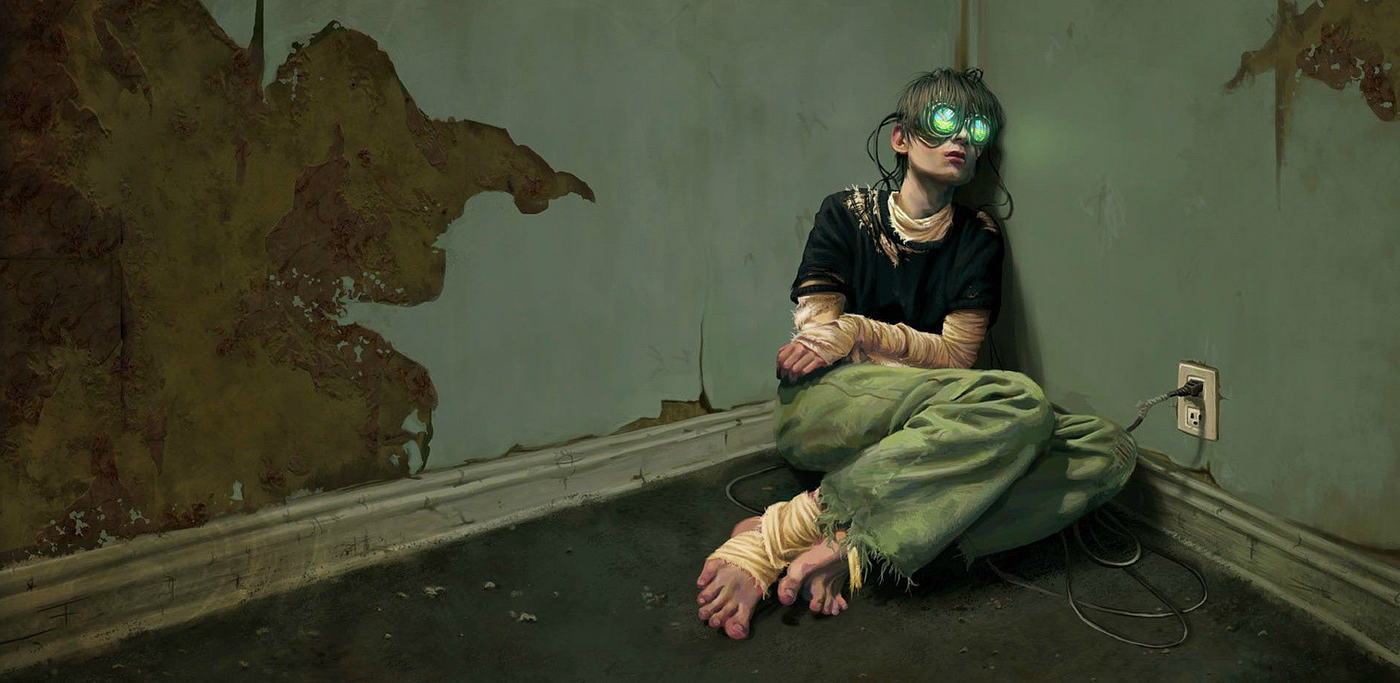
As far as compulsive gaming patterns are concerned, there is always the risk of more harm than good being done. Highly competitive online games occasionally reverse the hierarchy of social norms, turning people against each other, as by default their objectives are above the people playing them, in terms of importance. In the event that the players struggle or fail at accomplishing the said objectives, some of them may unwittingly nurture a pattern of self-blame, doubt, denial and projecting of failure upon the teammates as coping mechanism. And that is where gaming passes a dangerous threshold.
To an extent, it is nearly safe to strike a metaphorical kinship between video game addicts (or those that are nearing that state) and recluses. The shared characteristics seem to be far from coincidental. Social withdrawal among chronic gamers has become all too known by now. Chances are, you yourself might have a manic gamer friend without even knowing it.
2 — E-sports gambling addiction
Certain online games are highly competitive. As most of you sports lovers know all too well, where there are high stakes involved, there is potential for viewer entertainment. And money, of course. This is where the "pro scene" kicks in. A virtual battlefield where professional players clash in tournaments, usually with a prize awaiting the victor.
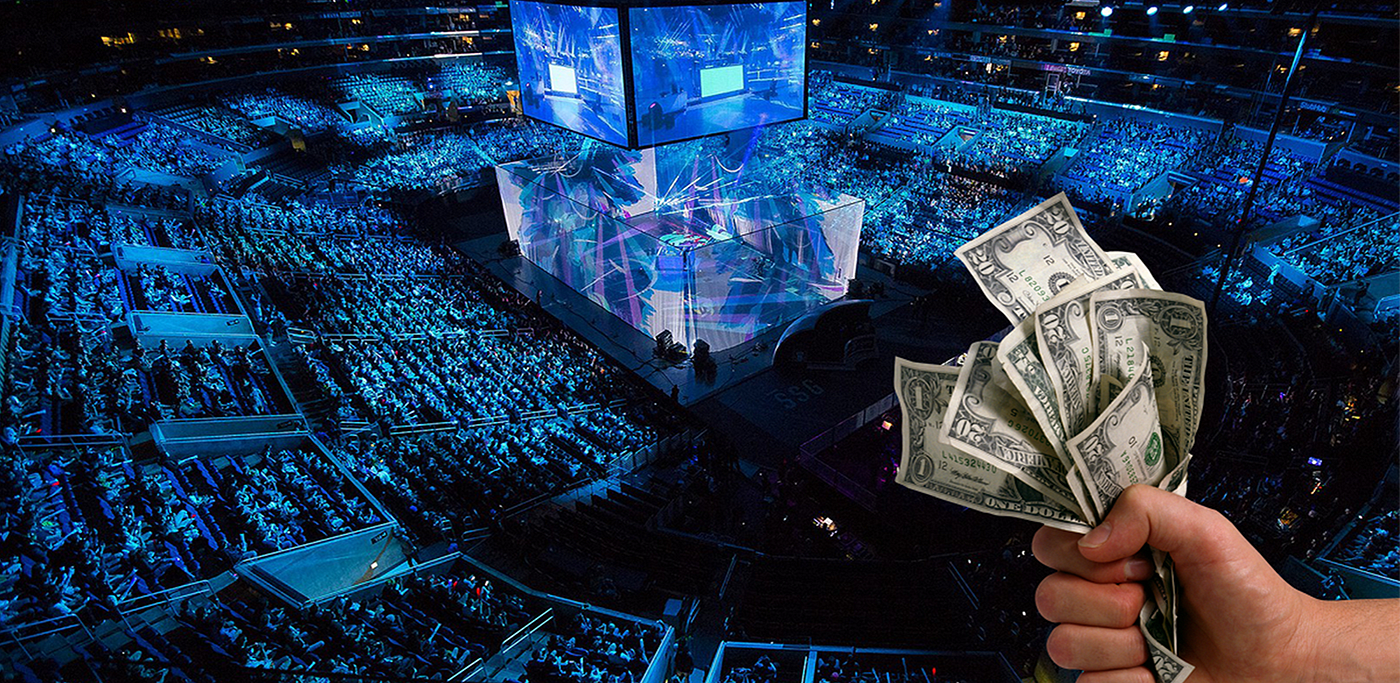
The key difference here is that, unlike casual gaming, e-sports benefit from media exposure and coverage. A tournament is an official project in itself; it requires staff to organize and deliver the experience, very much like football or basketball matches. They are then distributed live on streaming platforms for the players and gamblers alike to spectate and wager on.
The record for the biggest prize pool in the history of e-sports to date (~25.5 mil. USD) is held by Dota 2's "The International," an annual tournament hosted by Valve Corporation.
I, too, struggled with this type of gambling addiction (thankfully, my one and only) during my high-school years, the peak of my Dota 2 obsession. Over the course of 1½ years I ended up losing a total of $300. Later I started acknowledging my addiction and quit e-sports betting cold turkey after having reached the $500 mark worth of losses. Suspicions were raised on match-fixing and I felt things would not end well. Shortly afterwards I quit Dota 2 altogether, clocking in nearly 4,000 hours.
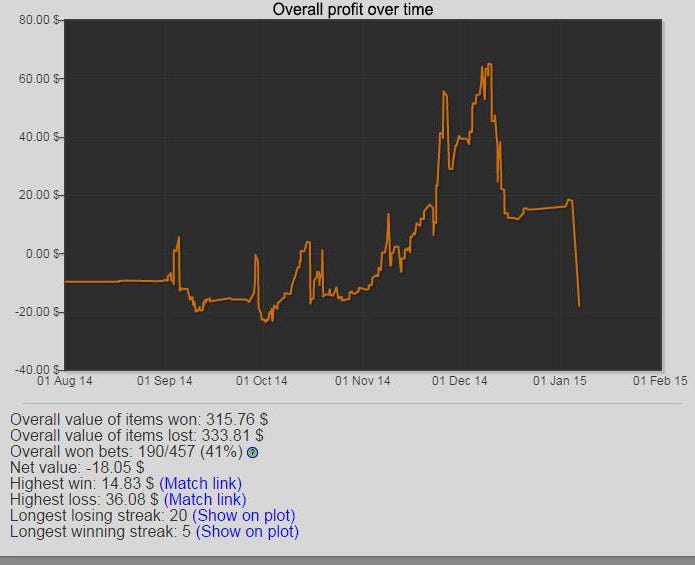
These numbers are far from being a fortune; any veteran gambler will laugh at them. Still, it is not the sum itself that dictates the state of addiction (though it can aggravate it), but rather the act of compulsive betting per se. While it is true that the majority of gamers are unlikely to be avid gamblers as well, the temptation persists, looming sneakily in a dark corner. It is there.
3 — The neurotic risk factor
Spare a moment to really strip it down to the bone. You may then arrive at the thought that repeated and prolonged gaming sessions with negligible breaks are somewhat akin to a few neurological conditions. It may come off as a disarming and far-fetched overstatement at first, no argument there! However, there might be some truth behind it.

All drama aside, this is arguably not very specific and tailored for gaming alone. Workaholics, for instance, share mutual characteristics. The key difference lies in constraints. A video game shows technical restraints as well as borders the player is physically unable to reach beyond. Take any currently popular MOBA game for instance:
⋅ same map;
⋅ same items;
⋅ same camps;
⋅ same heroes;
⋅ same abilities;
⋅ same monsters;
⋅ same shop locations.
And so, the players end up doing nearly the exact same thing. Over and over again. Everything is already planned out beforehand; the game engine and servers need only load the required resources and ensure a steady connection. This is mainly available for the standard maps, since there are others released by workshop communities (wherever possible). But even so, the boundaries are standardized and the base game on its own tends to get dull after a while.
To avoid this monotony pitfall trap, some game developers have come up with ways around it: No Man's Sky, Rust or Minecraft are all good examples of randomized or procedurally-generated content that creates the faux sense of new, in order to prevent the player from experiencing the exact same content patterns.
As already mentioned, this has little to do with games specifically, but rather with any form of activity that becomes repetitive. Predictability can lead to routine; routine may become monotonous; monotony could cull excitement and make room for misery and doubt. And when boring becomes the new paradigm, games are no longer as enjoyable. Somewhat counter-intuitive in the case of grind-oriented games, but they're a different beast.
4 — Long-term anatomical damage and repercussions
Earlier I praised some beneficial psychosomatic effects of gaming, however it would be unfair to not write about the other side of the coin: gaming can be bad for your mental and physical health.
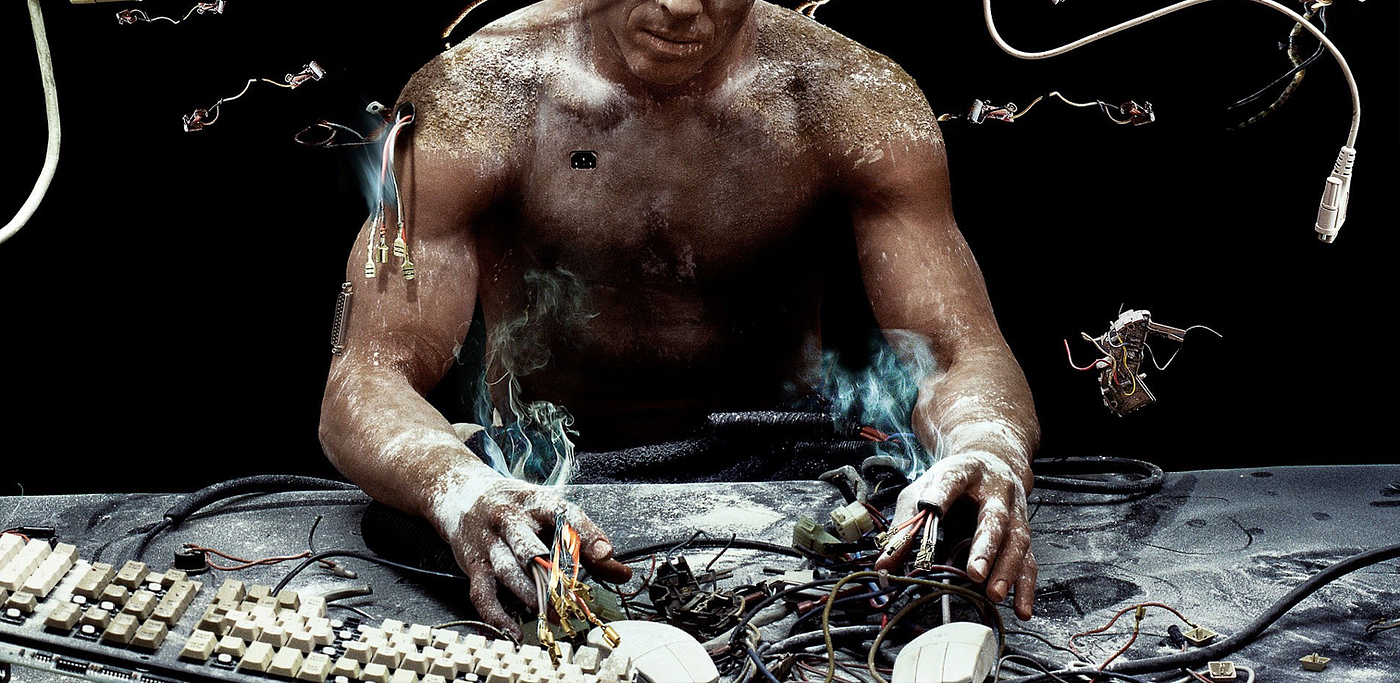
You have likely heard of—if not even lived through— some rather self-evident health threats being an active gamer raises, such as:
- Carpal tunnel syndrome;
- Slouched posture;
- Scoliosis;
- Lower back pain;
- Increased risk of premature death: as David Dunstan wrote it, "This is because when we sit—as opposed to being upright and moving—the large muscles of the lower body are essentially 'switched off' and the amount of blood circulating through to our lower limbs slows dramatically;"
- Eyesight strain due to extended periods of exposure to unfiltered blue light and forgetting to blink regularly: "According to the American Academy of Ophthalmology (AAO), there is no convincing scientific evidence that computer video display terminals (VDTs) are harmful to the eyes. The common complaints of eye discomfort and fatigue are associated with ergonomic factors such as distance from the person to the monitor, monitor height and brightness, etc." (Source)
Such risk factors can be easily countered by wearing blue-filter glasses while playing video games and consciously practising blinking every three seconds (or buying artificial tears). Another safety measure is ensuring that the computer screen is not the only device that emits light in a dark room; - Increased obesity risk;
- Shortness of breath or hyperventilation, depending on gameplay intensity;
- Cardiovascular changes, like blood pressure and heart rate (potentially harmful for players with pre-existing cardiovascular conditions);
- Pale appearance due to reduced sun exposure, a precursor of vitamin D deficiency;
- Gradual muscle atrophy and weakening of the bones, especially from the waist down: the pelvis and knee joints come first on the list (notably dangerous for unfit or sedentary players);
- Dizziness and nausea resulted from prolonged eyestrain.
This part could be concluded by indicating that the cons could outnumber the pros, from a medical point of view. What is more, these symptoms may not be exclusive to gaming alone, but rather display some similarity with other activities that require prolonged sitting periods as well as staring into a screen.
5 — Behavioral backlash
Observing the bigger picture, we can see that art possesses the power to nourish a certain cult of personality among its enthusiasts. Music does that, movies do that, and just about any other form of art can. People listen to different music genres because they feel it represents them better than others. Gaming is no exception, since it directly requires them to partake in an artistically-inspired environment. After all, one cannot play without playing.

The younger playerbase — though not exclusively — remains largely unable to fathom the concept of gaming as part of society, not as the definition of playing video games habitually. It should then come as no surprise that bad manners and other behavioral discrepancies are carried over to the real life. Teenagers especially appear to display a vast arsenal of retaliation techniques in online environments. (Believe me, I would know better.)
It has probably reoccurred time and time again that, in an online video game, there will be this archetypal conflict between an adult and a teenager. For example's sake, the older player will pick on the younger one for playing chaotically and not sticking together, while advising them what and how to do. Then follows a direct riposte: the teen would start flaming left and right using perjorative and intrusive remarks worthy of vulgarity awards, more often than not in their native language. (Side note — this is a rather interesting way of learning a new language, I jest you not.)
Generally, this type of manifesting one's defense mechanisms oozes from low levels of understanding, empathy and self-control, especially considering the fragile age. What am I saying, even I sometimes cannot help myself, and I am in my early twenties. Love me some gamer rage once in a blue moon.
The underlying issue here is that competitive games exploit the younger players' emotions in such a way that could render them hostile when stakes are at play. They may dish out words they would not normally say in a face-to-face conversation. This may serve some extent of anecdotal proof that a specific segment of teenagers and young adults alike are largely unable to control their spontaneous reactions and emotions in online video games.
6 — The manipulation potential
Lest we forget: video games are where technology meets art. As an entertainment medium, it would not be far-fetched to signal its vulnerability to higher powers. Certain pressure groups can exert their influence to alter a game's storyline or characters to better suit their checklist. This would then transform gaming into an ordinary instrument to advance a covert agenda with.
*LE, Jun 2020: As prophesied, see Neil Druckmann's backlash received on the back of The Last of Us Part II for "personal politics" and SJW propaganda.
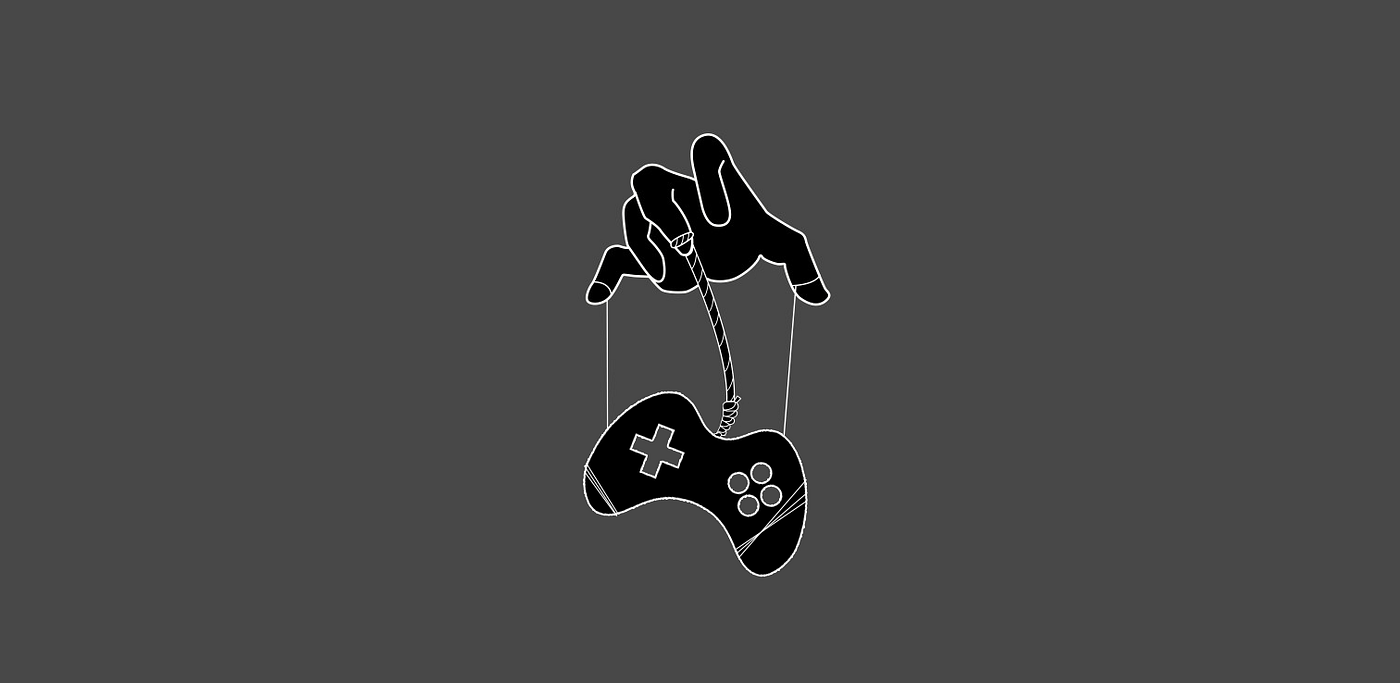
Beyond the gameplay mechanics, level design and graphics, this is a very big-picture scenario without precedence in which video games could (and probably will) be used to aid with writing or rewriting history henceforth. Observe the effects of a well-written storyline, especially among the younger players. In their chase for otherwordly stories, they are more easily influenced by what they deem good or bad in said games. They would play through the game's story, enjoy it, and likely agree with its underlying morals, given their open state of mind and crudeness of personality. The power of a good story extends to books as well, but based on the trend we're seeing, video games are much easier to digest than books.
In this regard, games can pose an ideological and ethical threat. Or rather, their developers' intentions. The core of video gaming would then no longer be independent and unalterable; it will start fusing with interests and areas of influence that are far from depicting it as a form of art and technological wonder, as it ought to remain, in my humble appreciation. (Prophecy alert: it probably will not.)
This is, of course, nothing but a tinfoil hat theory and should be treated as such, but I encourage you to do your own diligence and think for yourself.
7 — The illusion of progress and achievement
With nothing but "skill showoffs" that create the illusory feeling of progress, some players could (un)willingly turn into achievement hunters. Elitists. Completionists. Bragabouts. They forget what the game truly is about and instead focus on the go-get aspect of grinding and min-maxing.
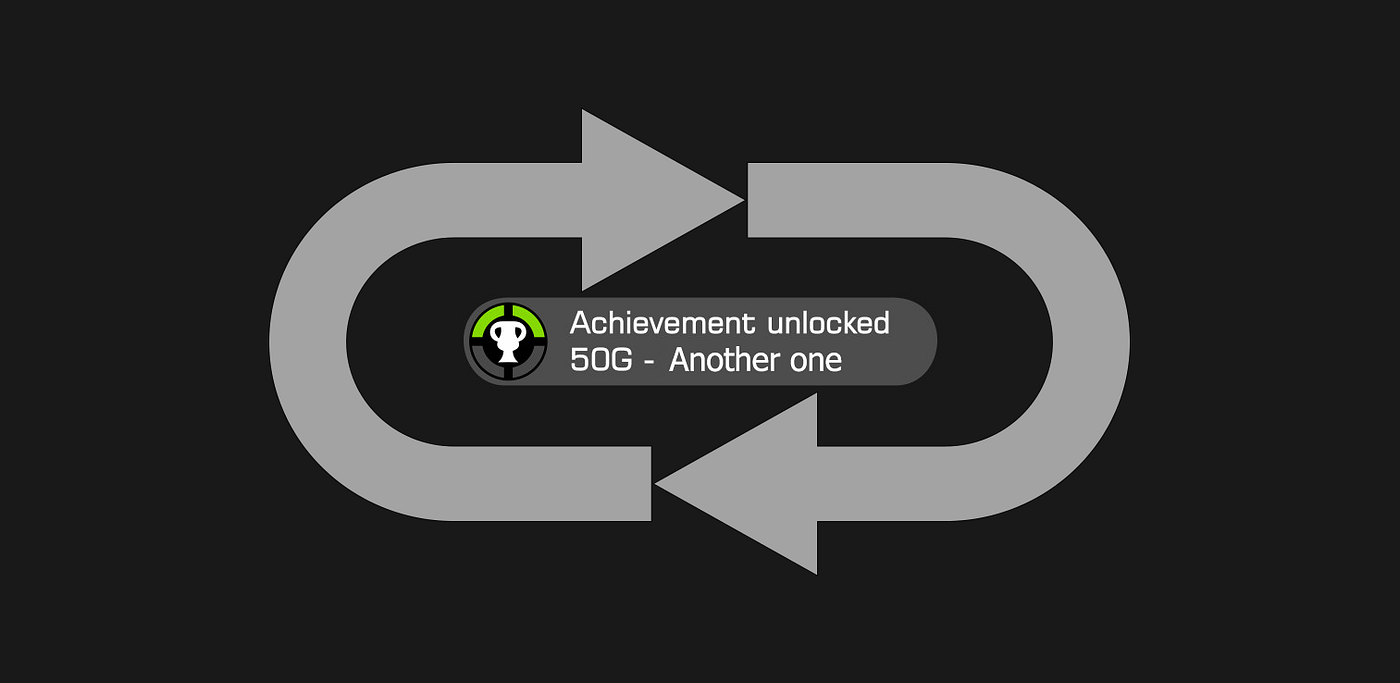
I must clarify that I personally am a fan of achievements in games and hold nothing against them. As I have invested well over a thousand hours in Path of Exile and World of Warcraft and close to two thousand in Warframe — grindy games, objectively speaking — I admit I have had my share of achievement hunting. However, I merely shun the concept of achievement hunting as mania for some. Still, it is a condition that the majority of players will likely not intersect with, but its risks persist. It can be tempting.
But to what avail? Some gamers refuse to acknowledge that their achievements and progress are going to be rendered null and void as soon as the game itself stops receiving the developer's attention or support, culminating with the servers shutting down (see Asheron's Call).
It can be fun at times, but forcing oneself into playing a game past any justifiable enjoyment threshold, solely for getting that 100% achievement rate, ought to be approached with more consideration.
8 — Other associated factors that worsen the pre-existing risks
Let us face it. Any alleged gamer who sinks over half a day into their computer is slightly unlikely to play games for the entirety of the duration. I feel obliged to wave a red flag on this particular topic because I know others have struggled with it, and there is something to be learned from their strife. Chances are, gaming will reach levels that are physically exhausting and mentally draining, yielding diminishing returns far beyond any visible marginal utility.

The less bright side of being a gamer is not hereby highlighted by the act of playing in itself; it is worsened by other associated behavioral or internet surfing habits that complement the pre-existing downsides of this status as a whole. The commonly known "virtual mancave" can quickly turn into more of a foe instead. Dwelling inside it for long periods unlocks a trapdoor towards other unhealthy quirks. They can be referred to as alternative escape routes that deviate from an already ongoing cult of escapism. (Read: not good.)
Captivity breeds creativity.
Once the craving to play games has been sufficiently fulfilled for the time being, the gamer will either call it a day and focus on more pragmatic matters, or continue to indulge in other habits on the internet as pastime. This stems from an altered internal reward system that overstimulates the production of "feel-good hormones," which can be easily explained through neurobiology: motivational salience is a cognitive process that can either motivate or repress an individual's behavior towards or away from a particular action. Any subjectively pleasant action releases a small dose of dopamine, signaling the brain to keep going.
In the event that the dopamine levels have not yet been exhausted, the players could then turn their attention towards other, more thrilling sectors of the internet. Activities that are more intense on the reward scale and do, eventually, deplete the remaining dopamine. In so doing, collateral addictions or degrading habits may be born: pornography, taboo fetishes, or surfing the wrong side of darkweb. The list goes on. Try not to fall prey to the endless possibilities, lest they grip you in.
It is worth noting and emphasizing that it is not gaming alone that accomplishes this; it is merely a passageway. The final outcome relies solely on the individuals' strength of character and ability to trace their own limits. A rather challenging concept, considering the plethora of prospects in terms of leisure. For every noble purpose man finds for technology, there will always be the risk of at least one equally shady facet.
Final boss fight (Wrap-up)
Based on these pros and cons, I would depict gaming as a journey in itself. The idea of playing video games often sounds like a waste of time to outsiders, hence the social stigma. In trying to find meaningful reasons to address this discrepancy with, it is important that the gamers' motivations be taken into consideration; not everyone plays the same game for identical reasons. Some approach it as a temporary incursion into the human psyche, some do it out of pure boredom, while others slip and cannot help themselves out.
For all it's worth, the journey so far has been worth it. I have plowed through a pretty diverse range of games. It has been a very well-cooked soup of emotions; it has taken me through a long ride. I have laughed uncontrollably, cried like an infant, whimpered away from the screen, burst with anger while slamming the desk, felt genuine happiness, loathing, as well as surprise. It has made me witness a more private, intimate part of the human condition — if only synthetically — in both splendor and grime.
I cannot say it has all been in vain. Moreover, as I am not a native English speaker, I reckon a significant percentage of my English vocabulary owes its existence to video games, first and foremost.
The sudden realization that gaming as a phenomenon is rapidly evolving and getting exposure is what I find both uplifting and saddening at the same time. Games could get dumbed down more and more to cater to a wider audience. While understandable from a financial point of view, it is all the more regrettable. I do appreciate the thought of it gaining ground so that a greater audience may have access to it, but it is slightly disappointing that the newcomers could find it increasingly difficult to understand and experience it as it was initially. Not as a widespread success. Not as yet another pop-culture industry flower. Not as a money-milking machine. But rather, as a manifestation of the human mind's desire to simulate and explore, make new connections and escape reality.
All of this then begs the question: is gaming worth the trouble? In the end, you will be left with nothing but a hollow memory of chasing after cheap, temporary thrills… Right?
Maybe. Not for me to say.
Again, it depends on what you are expecting.
One could settle for various definitions of gaming. It could be seen as an entire industry by many, but also as a form of art; a hobby, a habit or even a way of life for some. No matter the undertone, gaming as a concept is still in its infant phase. Long-term scientific studies on its effects that gather centurial data are far from being released.
I would presume some gamers are still gamers because they have invested too much time into being gamers to even consider looking at themselves as non-gamers. Instead, they continue walking down the same road because it just feels natural at this point. You might be wondering why. For this matter, I will quote Wilhelm Wexler, a character from The International: "Character is easier kept than recovered."
For all it is worth, gaming is my biggest sunk cost. I embrace it nonetheless.
Epilogue (Ending remarks)
The meaning of gaming, with all its pros and cons, is mostly down to one's personal outlook at the end of the day. As is the case with most technological wonders, it can be both good and bad, depending on how one decides to use it.
The underlying issue may be that a certain segment of gamers have yet to find a way to practise it in moderation and ought to take it with a grain of salt. This is especially true in the case of younger players, for whom gaming is not only a pastime, but a way to escape reality and responsibility, if only with transience in mind.
There is far more than meets the eye, but keep your wits about you.
All things considered, at least we will be left with the games' soundtracks at the end of the day. And that I can always set my sail towards.
Heads-up!
All of the above material highlights nothing but a personal take on a rapidly growing sociotechnological phenomenon, with a modest amount of research to back it up. It is meant to be digested as nothing more than a spark for curiosity. I am not embedding any beliefs into the reader; own diligence is advised.
I felt this final note was required now, in the digital age of fake news, misinterpretation and echo chambers, more than ever. Game on, if you will!
pros and cons of being a game designer
Source: https://medium.com/@sabinpascal/the-pros-and-cons-of-being-a-gamer-as-narrated-by-one-8f3a2ed2a244
Posted by: jonesnuse1961.blogspot.com
0 Response to "pros and cons of being a game designer"
Post a Comment